
Quick answer With no US credit history, the realistic first credit card for an immigrant is a secured card from a bank or credit union that accepts your SSN or ITIN and reports to all three bureaus. Other entry points are becoming an authorized user on a relative’s card, a card from a bank where you already have an account, and, if you have a strong credit history abroad, an issuer that can use international credit data. Judge any offer by its fees, reporting and upgrade path, not by the rewards.
Searching for “the best cards for immigrants with no credit history” and finding a list of specific names is easy. The problem is that those lists go stale fast, terms change without notice, and above all they do not explain the only thing that actually decides approval: what an issuer looks at when there is no history to look at.
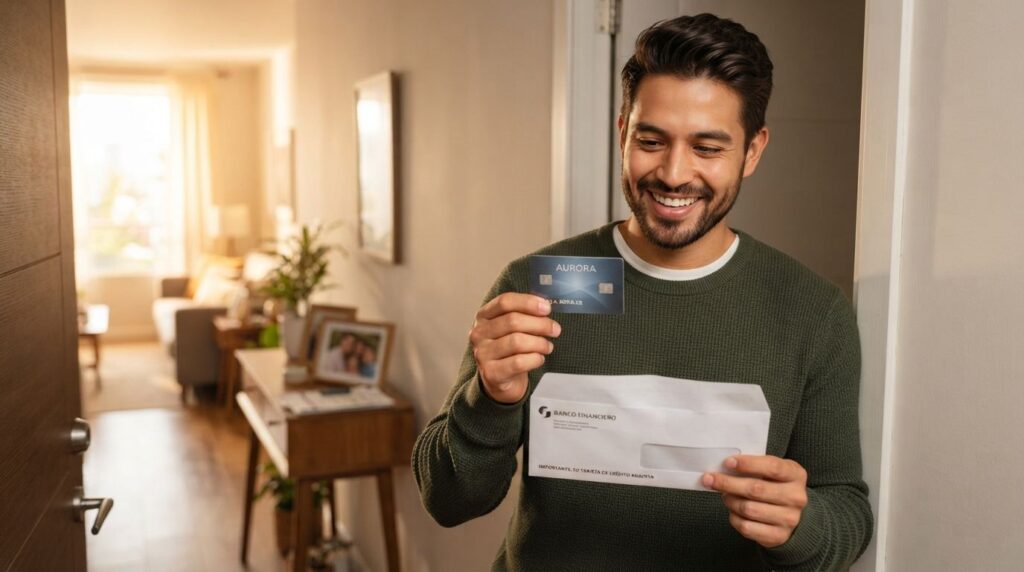
This article explains that criterion and gives you a way to evaluate any card you see advertised, today or a year from now.
What an issuer assesses when your report is empty
With no history, the automated decision system has nothing to work with, so issuers fall back on other signals:
- A security deposit. It greatly reduces the bank’s risk. That is why secured cards approve far more people than regular cards, although they still check your identity, income and banking history.
- Their own information about you as a customer. If you already bank with them and they see income arriving regularly, they have data the bureaus do not.
- Reported income and stability. How much you earn, since when, and what your housing cost is.
- Alternative data. Some issuers use your bank account history, and even your home country’s credit history through arrangements with international bureaus.
The strategy follows from this: do not look for the most generous card, look for the one where you can offer one of these signals.
The four entry points, in order of ease
1. Secured card
The most reliable. You deposit between $200 and $500 and that becomes your limit. Approval is near certain, history starts from month one, and the deposit is refundable. It is what anyone who knows the system recommends.
2. Authorized user
The fastest route, if you have someone you trust with good history. They add you to their card and, if the issuer reports authorized users, that history appears on your report. It requires a spotless account and mutual trust, because it works both ways.
3. A card from your own bank or credit union
If you have had an account for months, ask your institution directly. Credit unions are noticeably more flexible with their members than commercial banks are with strangers, and many have entry products they do not advertise.
4. Cards aimed at newcomers
There are products designed for people without US history, some of which accept home-country history or work with alternative data. They usually require an ITIN or passport and additional verification. They are worth a look, but run each one through the filter in the next section.
How to evaluate any card you are offered
Five questions, in this order. If the first one fails, stop there:
- Does it report to all three major bureaus? If not, it does not serve your purpose.
- What does the first year cost in total? Opening plus annual plus monthly. Compare it with the limit offered.
- Does it accept an ITIN or passport? Check before applying, because a rejected application leaves an inquiry on your report.
- Is there a review to raise the limit or return the deposit? At six or twelve months is reasonable.
- What interest rate does it charge? It matters less if you pay in full every month, but it is worth knowing.
The twelve-month plan
Getting the card is the beginning, not the end. A realistic calendar:
- Month 1: open the card, put one small recurring charge on it, and turn on automatic payment of the full balance.
- Month 6: you should have an initial score by now. Check it for free and confirm the information is correct.
- Month 7: request a limit review or the return of your deposit, depending on the product.
- Month 12: with a year of history and low utilization, you can start aiming at unsecured products with better terms.
Throughout that period, two fixed rules: always pay on time, and keep the balance under 10% of the limit at the statement date.
Mistakes that delay approval by months
A good share of the denials newcomers receive do not come from lack of history, but from details of the process that can be fixed.
- Applying for several cards within a few days. Each application leaves a hard inquiry on your report. Three or four in a row is a red flag for decision systems, and the effect lasts months.
- Reporting income that is too low. You can include any income you have reasonable access to, not just a formal salary. Reporting only part of it lowers the limit you are offered or triggers an outright denial.
- Addresses that do not match. If the address on the application does not match what your bank and your bills show, the system generates a manual review that often ends in a no.
- Abbreviated or incomplete names. Write your name exactly as it appears on your ID, with both surnames if you have them.
- Applying online when the issuer only accepts an ITIN in a branch. The web form will reject you for a reason that would not exist in person.
If you have already been denied, ask for the adverse action letter: issuers are required to send it and it explains exactly what failed. Wait at least three months before applying again, and if the reason was insufficient history, switch entry points rather than repeat the same one.
What to do while you wait for approval
The months before you get your first card do not have to be wasted time. There are three things you can put in place that improve your odds when the moment comes.
The first is to open a checking account if you do not have one, and use it steadily: get paid by direct deposit, pay bills from it, and never let it go negative. That internal activity is exactly what an issuer looks at when the bureaus have nothing.
The second is to apply for your ITIN if you do not have a Social Security number. The process takes weeks and is a frequent requirement, so it is worth starting before you need it.
The third is to confirm that your credit report exists and is clean. You can request it free from the three main bureaus. Sometimes incorrect data or accounts that are not yours show up, and fixing them takes time, so it is better to find out now than on the day you apply.
Conclusion
There is no single card that is better than all others for someone starting without history; there is a better strategy, and it is to start through the door that is already open to you. If you have $200, a secured card. If you have a trusted relative with good credit, become an authorized user. If you have banked at a credit union for months, ask there first. Any of the three gives you history within six months, which is what you were after.
Related articles
Official sources
To check what this guide explains, these are the official references. If a rule changes, the official version always prevails.
- AnnualCreditReport.com: the only site authorized to get your free credit reports from Equifax, Experian and TransUnion.
- CFPB: credit reports and scores: what is in your report, how scores are used and how to dispute errors.
- FTC: free credit reports: how to get them at no cost and avoid look-alike sites.
